All Categories
Featured

Major Regional Milestones in Hospitality Expansion
Table of Contents
According to , 93% of worldwide travelers say they want to make more sustainable options when traveling, and 69% desire to leave places much better than when they arrived. And as the requirement for environmentally friendly practices is increasingly recognized and acted on, those at the forefront are already taking it a step further.
- Markus Venzin, CEO EHL Group Where sustainability measures success by what is decreased or avoided less carbon, less water, less waste regeneration, on the other hand, focuses on creating a positive effect. Rather of merely offsetting damage, regenerative hospitality aims to produce new value not just for its guests but for its whole surroundings.
The hospitality market can contribute to regeneration in different methods: by replanting mangroves, developing biodiversity, supporting local environmental groups, or working together with local ecological initiatives to develop meaningful guest experiences. by offering areas to regional groups, creating a center where residents can meet, or welcoming regional artists to perform. by training and working with residents, or dealing with regional suppliers.
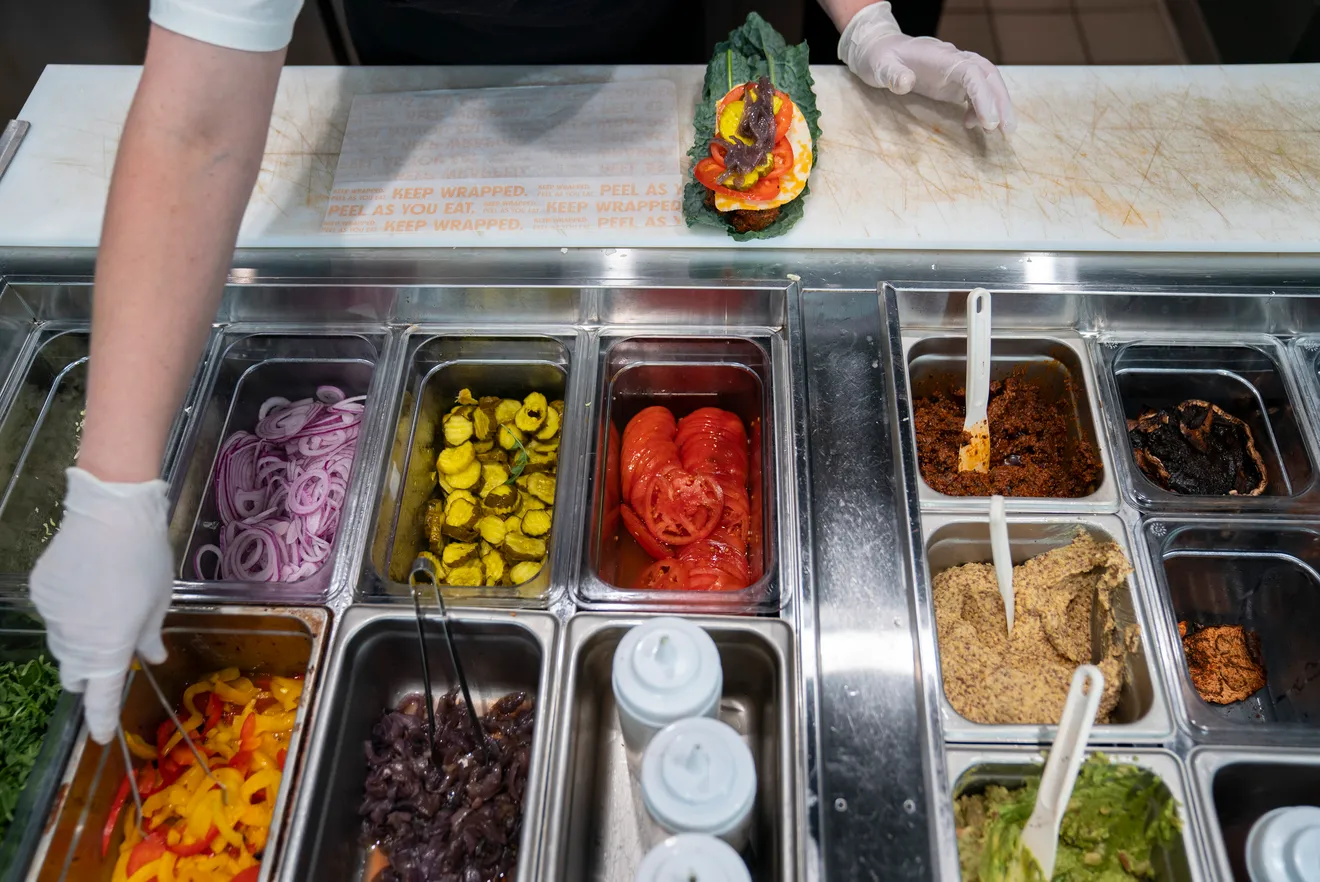
For brand distinction. The foodservice market is uniquely positioned to favorably affect social and natural environments, consumer health, and the economy as it touches so numerous lives every day.
On top of that, they can react to the growing demand for food that is not simply satisfying however also supportive of visitors' personal and the planet's wellness. Embracing a more regenerative technique is often seen as costly and scheduled for niche, premium brands. EHL Professor and author of a recent EHL research study around the subject, Dr.
Smart Methods to Increase Brand Presence via Expansion
He also worries that sustainable food practices can offer hospitality business of all sizes a competitive edge by "opening new revenue streams, improving performance, and winning sustainability-minded consumers." At the exact same time, it's essential to acknowledge that adopting regeneration or sustainability practices isn't always simple, especially for smaller sized companies. There requires to be "a balance in between instant functional requirements and long-term ecological goals, placing sustainability not only as a moral vital however also as a driver of competitiveness and durability in the evolving foodservice landscape," as Dr Martin-Ross states.
Kitchen Resilience in Freddys during 2026Strictly defined metrics haven't yet been established. The success of regrowth becomes noticeable in more biodiverse landscapes, nature remediation, cultural preservation, increased positive community engagement, and experiences that increase the wellness of both guests and hosts. Hospitality companies can capitalize on this trend in several ways: By providing their own experiences (e.g., test nights at a cafe) By partnering with regional experience suppliers (e.g., a B&B inviting a chef to offer its guests a cooking workshop) By producing experiences for and with other industries.
a style brand partnering with a hospitality organization to open its own cafe) Experiences have constantly been a vital part of the hospitality sector, and while hospitality business have actually continued to develop the guest experience, we likewise see an increase in visitor expectations. "Immersive experiences have become so crucial and popular since the expectations of our guests and travelers from all over the world have actually become far more sophisticated in the last few years," states Christoph Hoffmann, EHL IAB Member and Founder of 25hours Hotels and Swimsuit Island & Mountain Hotels.
Valentina Clergue also keeps in mind a shift from more passive to more transformative and immersive experiences. Visitors desire to learn, feel, act, be entertained, and escape their daily lives - in some cases simultaneously. And when it pertains to hospitality, the human part plays a vital role in this. Some methods hospitality companies can utilize to create immersive experiences include: "Engaging the senses is crucial when producing unforgettable experiences.
Strategic Tips for Restaurant Corporate Scaling
Strictly specified metrics have not yet been developed. The success of regrowth becomes noticeable in more biodiverse landscapes, nature repair, cultural preservation, increased positive community engagement, and experiences that increase the wellness of both guests and hosts. Hospitality companies can capitalize on this trend in numerous methods: By offering their own experiences (e.g., test nights at a cafe) By partnering with local experience service providers (e.g., a B&B inviting a chef to offer its guests a cooking workshop) By creating experiences for and with other markets.

a fashion brand name partnering with a hospitality organization to open its own coffee shop) Experiences have actually always been an essential part of the hospitality sector, and while hospitality business have actually continued to establish the guest experience, we also see a boost in visitor expectations. "Immersive experiences have actually ended up being so essential and popular due to the fact that the expectations of our guests and tourists from all over the world have become much more advanced in the last few years," states Christoph Hoffmann, EHL IAB Member and Creator of 25hours Hotels and Swimwear Island & Mountain Hotels.
Smart Ways to Boost Brand Share via Expansion
Valentina Clergue likewise notes a shift from more passive to more transformative and immersive experiences. Some strategies hospitality organizations can use to develop immersive experiences include: "Engaging the senses is key when producing memorable experiences.

Latest Posts

Maximising ROI in High-yield 2026 Business Investments

Profitable Hospitality Investments Arising in 2026

Key Tips for Hitting Global Milestones